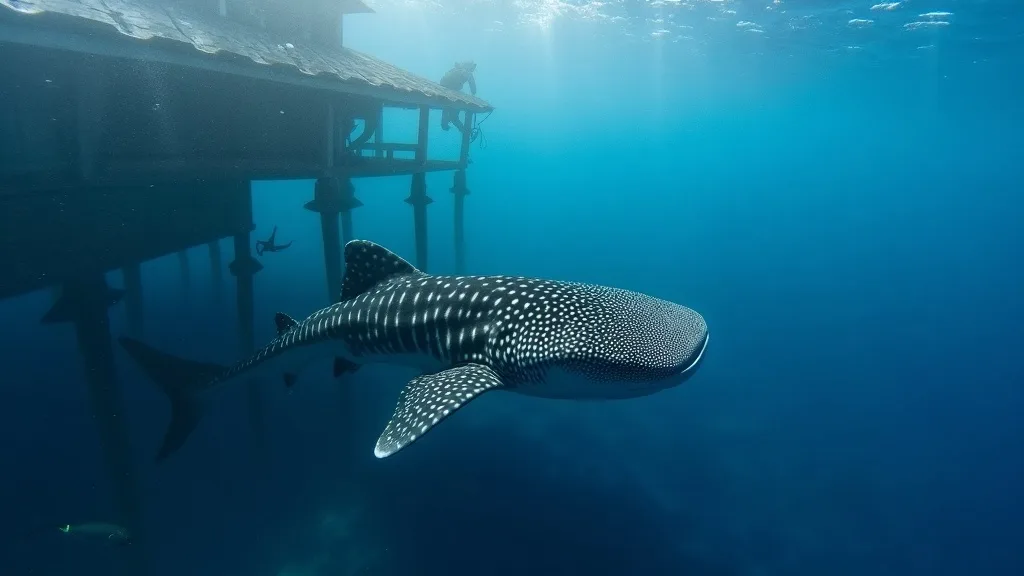
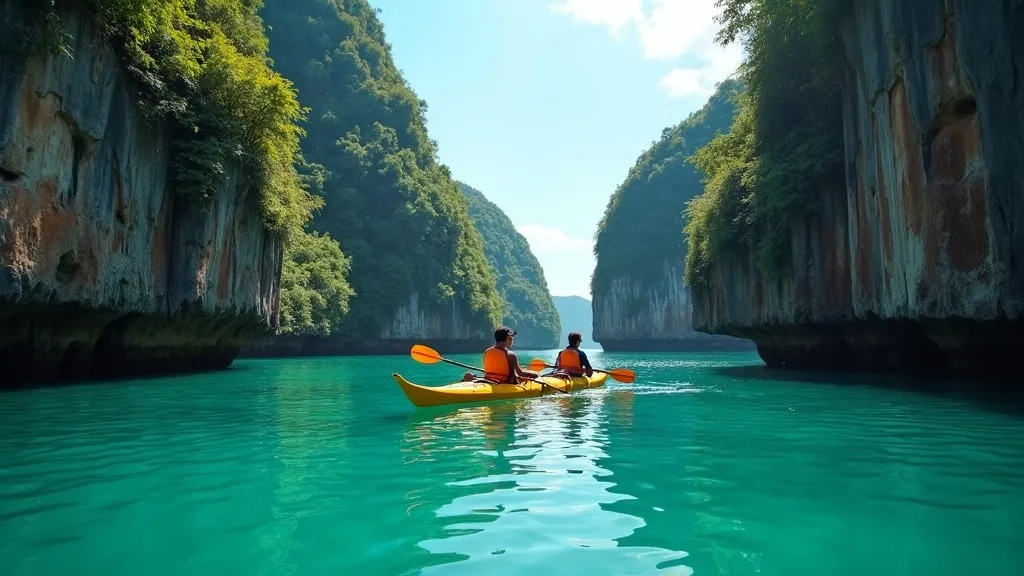
In short: 95 of the most common questions about komodo raja ampat tour, answered by our specialists.
How much does a standard tour of Komodo and Raja Ampat cost per person?
The cost can vary significantly depending on the duration and operators chosen. For Komodo, a one-day speedboat tour might cost around 1,450,000 IDR per person, while a 3D2N shared trip could start from about 2,800,000 IDR. Raja Ampat tours often have different pricing structures, so it’s best to consult specific operators for combined tour pricing.
What are the payment options for booking a Komodo Raja Ampat tour?
Payment options typically include credit card, bank transfer, or online payment platforms. It’s advisable to confirm available methods with the tour operator directly during booking.
Is there a deposit required when booking a tour, and if so, how much?
Many tour operators require a deposit to secure a booking, but the exact amount can vary. It’s best to check with the specific operator for their deposit policy.
Are there any additional fees not included in the tour price?
Additional fees not included in the tour price often comprise park entrance fees. For Komodo, these might be around 250,000–300,000 IDR per day, while Raja Ampat’s marine park fee is about 1,000,000 IDR per person.
What is the cancellation policy for Komodo Raja Ampat tours?
Cancellation policies can differ between operators. It’s important to review the terms and conditions provided by the tour operator at the time of booking for specific cancellation guidelines.
How do I book a Komodo Raja Ampat tour online?
To book a Komodo Raja Ampat tour online, visit the tour operator’s official website and follow their booking instructions, which usually involve selecting dates, providing personal details, and completing payment.
Can I book a Komodo Raja Ampat tour over the phone?
Booking a tour over the phone is often possible, but availability depends on the specific operator. It’s advisable to check their contact details on their official website or brochures.
What information do I need to provide when booking a tour?
When booking a tour, you’ll typically need to provide personal details such as full name, contact information, and possibly passport details. The operator will guide you on any additional information required.
Is it possible to book a last-minute Komodo Raja Ampat tour?
Last-minute bookings are sometimes possible, but availability can be limited, especially during peak seasons. It’s best to contact the tour operator directly to check for any last-minute openings.
Are group discounts available for booking a tour?
Group discounts may be available, but this depends on the operator’s policy. It’s advisable to inquire directly with the tour provider to learn about any group discount options.
What is typically included in a Komodo Raja Ampat tour package?
A typical Komodo Raja Ampat tour package may include transport between locations, guided tours, and sometimes meals and accommodations. Specific inclusions vary by operator, so it’s important to clarify before booking.
Do the tours include meals and accommodations?
Meals and accommodations are sometimes included in the tour package, but this varies by operator. It’s advisable to confirm these details with the tour provider when booking.
Are snorkeling and diving equipment provided on the tour?
Snorkeling and diving equipment may be provided, but it’s best to confirm with the operator as policies can vary. Some tours might charge extra for equipment rental.
Is transportation between Komodo and Raja Ampat included in the tour?
Transportation between Komodo and Raja Ampat is not typically included in standard tour packages. Travelers usually arrange their own flights and ferry transfers between the two destinations.
Are guided tours included in the package?
Guided tours are typically included in the package, offering insights into the local wildlife and attractions. The extent of guiding services can vary, so it’s advisable to confirm with the operator.
What is the typical itinerary for a Komodo Raja Ampat tour?
Itineraries vary, but a typical tour might include guided visits to key attractions, snorkeling or diving sessions, and time for relaxation. Specific details depend on the operator and duration of the tour. Learn more.
How long does it take to travel between Komodo and Raja Ampat?
Travel between Komodo and Raja Ampat involves a flight from Labuan Bajo to Sorong, followed by a ferry to Waisai. The total journey can take several hours, depending on flight and ferry schedules.
What is the best way to travel to the starting point of the tour?
The best way to reach the starting point of the tour is by flying to Labuan Bajo for Komodo tours or Sorong for Raja Ampat tours. Direct flights from major Indonesian cities like Bali or Jakarta are available.
Are there direct flights to Raja Ampat from Komodo?
There are no direct flights between Komodo and Raja Ampat. Travelers typically fly from Labuan Bajo to Sorong, often requiring a stopover in a major city like Bali or Jakarta.
What time do tours usually start and end each day?
Tour start and end times can vary by operator and itinerary. Typically, day tours might start early in the morning and conclude by late afternoon or early evening. Check with the specific operator for precise timings.
Do I need a visa to visit Komodo and Raja Ampat?
Visa requirements depend on your nationality. Many visitors can enter Indonesia visa-free or with a visa on arrival. Check with the Indonesian embassy or consulate for the latest information specific to your nationality.
Are there any age restrictions for participating in the tours?
Age restrictions may vary by operator. Generally, children are welcome on tours, but some activities, like diving, may have age or certification requirements. It’s best to check with the tour provider.
Do I need to be an experienced diver to join the tour?
You don’t necessarily need to be an experienced diver to join tours; many operators offer snorkelling or beginner diving options. However, some dive sites may require advanced skills, so it’s wise to check in advance.
What level of physical fitness is required for the tours?
A moderate level of physical fitness is generally sufficient for most tours. Activities like hiking, snorkelling, and diving can be physically demanding, so participants should be comfortable with these activities.
Are there any vaccinations required for visiting these areas?
No specific vaccinations are required by law for visiting Komodo and Raja Ampat. However, it’s advisable to consult a travel health specialist for recommended vaccinations and health precautions.
How safe is it to travel to Komodo and Raja Ampat?
Travel to Komodo and Raja Ampat is generally considered safe. However, as with any travel, it’s important to stay informed about local conditions and follow safety advice from authorities and tour operators.
Are the tour guides certified and experienced?
Tour guides are typically experienced and may hold relevant certifications. However, it’s advisable to verify the credentials and experience of guides with your chosen tour operator.
What safety measures are in place for the tours?
Safety measures often include providing life jackets, briefing on emergency procedures, and ensuring guides are trained in first aid. It’s important to discuss safety protocols with your tour operator.
Are there any health risks associated with visiting Komodo and Raja Ampat?
Health risks include mosquito-borne illnesses like dengue fever and malaria. It’s advisable to take precautions such as using insect repellent and consulting a healthcare provider for advice before travelling.
Is travel insurance recommended for these tours?
Travel insurance is highly recommended for these tours. It can cover unexpected events such as medical emergencies, trip cancellations, and lost belongings. Ensure your policy covers adventure activities like diving.
When is the peak tourist season for Komodo and Raja Ampat?
The peak tourist season for Komodo is typically from April to November, while Raja Ampat sees its peak from October to April/May. For a combined tour, consider visiting between October-November or March-April. Learn more.
What are the weather conditions like in Komodo and Raja Ampat throughout the year?
Komodo experiences a dry season from April to November, with clearer skies and less rain. Raja Ampat’s prime conditions are from October to April/May, with generally calm seas and good visibility for diving.
Is it better to visit during the dry season or wet season?
Visiting during the dry season usually offers more predictable weather and better conditions for outdoor activities. However, the wet season can provide a unique experience with fewer tourists and lush landscapes.
Are there any annual events or festivals in Komodo and Raja Ampat?
Annual events or festivals specific to Komodo and Raja Ampat aren’t widely publicised, but local cultural events may occur. It’s best to check with local tourism offices or operators for any scheduled events.
How does the marine biodiversity in Komodo compare to Raja Ampat?
Raja Ampat is renowned for its marine biodiversity, often considered one of the richest in the world. Komodo also offers diverse marine life, but Raja Ampat is particularly noted for its coral and fish species.
Is it worth visiting both Komodo and Raja Ampat, or just one?
Both Komodo and Raja Ampat offer unique experiences. Komodo is known for its dragons and rugged landscapes, while Raja Ampat is celebrated for its underwater biodiversity. Visiting both provides a comprehensive experience.
What are the main differences in the landscapes of Komodo and Raja Ampat?
Komodo features rugged, dry landscapes with savannah and hills, while Raja Ampat is characterised by lush, tropical islands and vibrant coral reefs. Each offers distinct natural beauty and unique attractions.
Which destination is better for wildlife enthusiasts, Komodo or Raja Ampat?
Wildlife enthusiasts might prefer Komodo for its iconic Komodo dragons and terrestrial fauna. However, Raja Ampat offers exceptional marine biodiversity, making it ideal for those interested in underwater life.
How does the diving experience differ between Komodo and Raja Ampat?
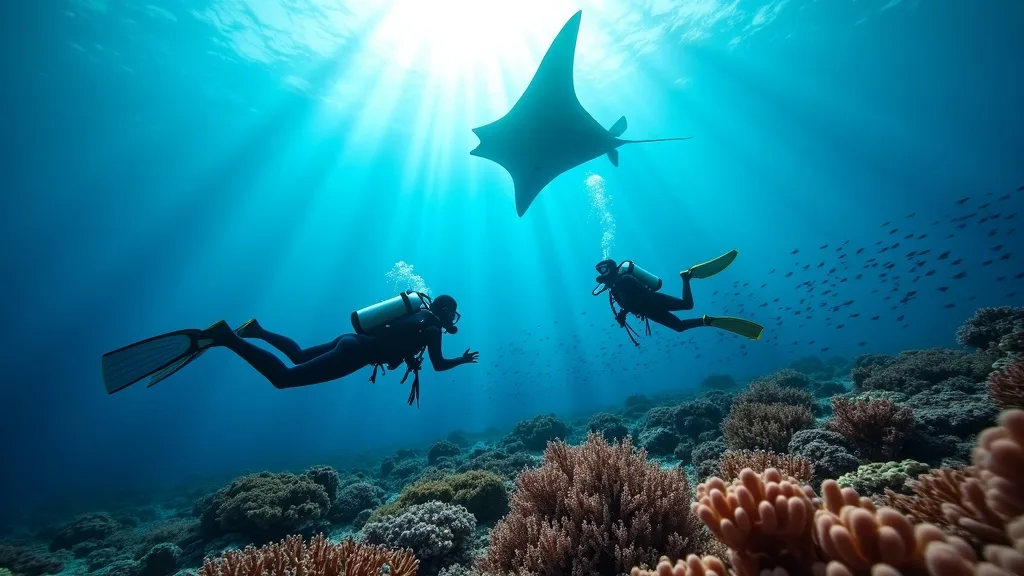
Diving in Komodo offers strong currents and diverse marine life, including manta rays and sharks. Raja Ampat is famed for its coral diversity and vibrant fish species. Both offer exceptional but distinct diving experiences.
Is a Komodo Raja Ampat tour suitable for solo travelers?
A Komodo Raja Ampat tour can be suitable for solo travellers, as many operators offer group tours where you can meet other travellers. It’s a good idea to check with operators regarding single supplements or shared accommodations.
Are these tours appropriate for families with young children?
Yes, tours can be suitable for families with young children, but it’s important to check with the operator regarding age restrictions and safety measures for specific activities.
Is there a minimum number of participants required for a tour?
Some tours may require a minimum number of participants to proceed, especially shared trips. It’s advisable to confirm this detail with the tour operator when booking.
Can I customize a Komodo Raja Ampat tour to fit my interests?
Customising a Komodo Raja Ampat tour is possible with some operators, allowing for tailored itineraries to suit personal interests and preferences.
Are there options for private tours of Komodo and Raja Ampat?
Private tours are available, providing a more personalised experience. Availability and pricing can vary, so it’s best to inquire directly with the tour provider.
What should I pack for a Komodo Raja Ampat tour?
Pack lightweight clothing, swimwear, sun protection, insect repellent, and sturdy footwear. A waterproof bag is useful for keeping belongings dry during boat trips.
Do I need special clothing or gear for the activities?
Special clothing or gear may be needed for specific activities like diving or trekking. Consider bringing a wetsuit, fins, and sturdy shoes for hikes. Learn more.
Are there any local customs or etiquette I should be aware of?
Respecting local customs includes dressing modestly in villages and being mindful of local traditions. It’s polite to ask before taking photos of people.
What type of currency is accepted in Komodo and Raja Ampat?
The local currency is Indonesian Rupiah (IDR). It’s recommended to carry some cash for small purchases, as not all places accept cards.
Are there ATMs available in the areas visited on the tour?
ATMs are available in larger towns like Labuan Bajo and Sorong, but they may be limited in more remote areas. It’s best to withdraw cash beforehand.
Is it necessary to bring a power adapter for electronic devices?
Indonesia uses plug types C and F, with a voltage of 230V. Bringing a power adapter is advisable to charge electronic devices.
What are the accommodation options like on the tour?
Accommodation ranges from basic lodges to luxury resorts, depending on the tour package. Confirm the type of accommodation included when booking.
Are there options for vegetarian or other dietary needs on the tour?
Many tours can accommodate dietary preferences like vegetarian or vegan meals, but it’s essential to inform the operator in advance.
Is Wi-Fi available during the tour?
Wi-Fi may be available at some accommodations, but connectivity can be limited during boat trips or in remote areas.
Can I bring my own snorkeling or diving equipment?
Bringing your own snorkeling or diving gear is allowed and can ensure a better fit. However, equipment is often available for hire.
Are there opportunities to interact with local communities during the tour?
Some tours include visits to local villages, offering opportunities to learn about the culture and interact with residents.
Is it advisable to bring cash or rely on credit cards?
Carrying cash is advisable, especially for small purchases and in areas where credit card facilities are limited. Major towns may accept cards.
Are there any restrictions on photography during the tour?
Photography is generally allowed, but it’s respectful to ask permission before photographing people or cultural sites.
What are the best spots for landscape photography in Komodo and Raja Ampat?
Komodo offers stunning views from Padar Island and Pink Beach, while Raja Ampat is known for its vibrant underwater landscapes and Wayag Islands.
Is travel between Komodo and Raja Ampat by boat or by air?
Travel between Komodo and Raja Ampat typically involves flights, given the considerable distance. Check with your operator for specific arrangements.
Are there opportunities to extend my stay after the tour?
Extending your stay is possible, with many accommodation options available. It’s best to plan and book in advance, especially during peak seasons.
What is the average group size for the tours?
Group sizes can vary, but a shared one-day speedboat tour to Komodo typically accommodates up to 22 people. For longer tours, like a 3D2N trip, the group size might be similar or slightly smaller. Learn more.
Are there any night activities included in the tour?
Night activities are not commonly included in standard tours, as most activities focus on daytime exploration and diving. It’s best to inquire with your specific tour operator for any special arrangements.
Do I need to be able to swim to participate in the tours?
Swimming ability is beneficial but not always required, as life jackets are usually available. However, being comfortable in water enhances the experience, especially for snorkeling or diving activities.
Is there an option for language preferences in guided tours?
Guided tours often cater to English speakers. For other languages, it’s advisable to check with the tour operator in advance to see if they can accommodate specific language needs.
Are there any specific health precautions for the areas visited?
Health precautions include staying hydrated, using sun protection, and taking anti-malarial medication if advised by a healthcare professional. It’s also wise to be updated on routine vaccinations.
What is the policy on cancellations due to weather?
Cancellation policies due to weather can vary by operator. Generally, safety is a priority, and tours may be rescheduled or refunded if conditions are unsafe. Confirm specifics with your chosen provider.
Is there a recommended age for children to participate in the tours?
There isn’t a strict age limit, but children should be comfortable with water activities. Parents are advised to assess their child’s ability to handle boat journeys and physical activities.
Are there facilities for charging electronic devices during the tour?
Charging facilities may be limited during tours, especially on boats. It’s advisable to bring portable chargers or power banks to keep devices powered throughout the journey.
Can I bring pets on the tour?
Bringing pets on the tour is generally not recommended due to the nature of the activities and the protected status of the areas visited.
How do I prepare for a long boat journey between islands?
Prepare for long boat journeys by bringing sun protection, water, snacks, and a good book or music. Wear comfortable clothing and consider motion sickness remedies if prone to seasickness.
Are there any cultural sites included in the tour itinerary?
Cultural sites are not the primary focus of these tours, which emphasize natural beauty and marine life. However, some operators might include visits to local villages or cultural experiences.
What is the policy on luggage and storage during the tour?
Luggage policies vary, but space is often limited on boats. It’s advisable to pack light and use soft-sided bags. Check with your operator for specific storage options or restrictions.
Is there a recommended travel insurance provider for these tours?
While specific recommendations for travel insurance providers aren’t given, it’s crucial to choose a policy that covers activities like diving and remote travel. Consult with insurance companies directly.
Are there options for luxury accommodations during the tour?
Luxury accommodations may be available depending on the tour operator and itinerary. Options range from higher-end liveaboard boats to upscale resorts. Inquire directly for details.
How do I handle seasickness on a liveaboard tour?
To manage seasickness, consider using motion sickness tablets or wristbands. Staying hydrated, eating light meals, and focusing on the horizon can also help alleviate symptoms.
Is there a recommended packing list for these tours?
A recommended packing list includes swimwear, sun protection, comfortable clothing, water shoes, a waterproof bag, and any personal snorkeling gear. Check with your operator for specific requirements. Learn more.
Will there be opportunities to purchase souvenirs during the tour?
Opportunities to purchase souvenirs might arise, especially if visiting local villages or markets. Cash in small denominations is useful for such purchases.
Are meals provided on all travel days between destinations?
Meal provisions vary by tour, but many include meals during travel days. It’s best to confirm with your operator to understand what meals are provided and plan accordingly.
What is the best way to communicate with home while on the tour?
Communication options depend on the area’s connectivity. Mobile signals may be weak, so consider using Wi-Fi where available or purchasing a local SIM card for better access.
How do I ensure my safety while snorkeling or diving?
Safety while snorkeling or diving involves following the guide’s instructions, using appropriate gear, and being aware of your surroundings. Ensure you’re comfortable with the equipment and environment.
Are there opportunities for night diving during the tour?
Night diving opportunities depend on the specific tour operator and package. It’s best to inquire directly with the operator to confirm availability and any additional costs involved.
What is the best way to reach the tour’s starting location from the airport?
To reach the Komodo tour starting point from the airport, take a direct flight to Labuan Bajo, then a short taxi ride to the harbour. For Raja Ampat, fly to Sorong, then take a ferry to Waisai.
Are there any local dishes I should try during the tour?
Local dishes to try include ikan bakar (grilled fish) and papeda (sago porridge) in Raja Ampat, and seafood specialities in Labuan Bajo. Sampling local cuisine is a highlight of the tour experience.
Is there a minimum stay requirement for the tours?
There is typically no minimum stay requirement, but longer tours offer a more comprehensive experience. Check with your chosen operator for specific package details and durations.
How do I prepare for the tropical climate of these destinations?
Prepare for the tropical climate by packing lightweight clothing, sunscreen, a hat, and plenty of water. Rain gear is also advisable, especially if travelling during the rainy season.
What are the options for upgrading my tour package?
Options for upgrading your tour package vary by operator. Inquire about private tours, extended stays, or additional activities like diving or trekking for a more personalised experience.
Are there any restrictions on bringing drones for photography?
Drone restrictions may apply in certain areas, especially national parks. It’s important to check local regulations and obtain necessary permits before bringing a drone for photography.
What is the policy on alcohol consumption during the tour?
Alcohol policies differ by operator, but moderate consumption is generally allowed. It’s advisable to check with your tour provider for specific guidelines and any restrictions.
How do I ensure the safety of my belongings during the tour?
To ensure the safety of your belongings, use lockable bags and keep valuables with you. Most operators provide secure storage on boats and accommodations, but personal vigilance is key.
Are there any eco-friendly practices encouraged on the tour?
Eco-friendly practices are encouraged, such as minimising plastic use, respecting wildlife, and following local conservation guidelines. Tour operators may provide specific instructions on sustainable practices.
Is there a recommended time to book the tour in advance?
Booking the tour 3-6 months in advance is recommended, especially during peak seasons, to secure your preferred dates and accommodations. Learn more.
How do I ensure I am choosing a reputable tour operator?
Choose a reputable tour operator by checking reviews, certifications, and affiliations with recognised travel associations. Recommendations from trusted sources can also guide your decision.
Are there any language barriers I should be aware of when visiting?
English is widely spoken in tourist areas, but learning a few basic Indonesian phrases can enhance your experience and interactions with locals.
What is the process for obtaining permits for visiting protected areas?
Permits for visiting protected areas like Komodo National Park are typically arranged by the tour operator, included in the package. Clarify this when booking to ensure smooth access.
How do I stay connected to the internet while on the tour?
Staying connected to the internet can be challenging in remote areas. Consider purchasing a local SIM card with data or relying on Wi-Fi at accommodations when available.